
Landmark Designation
How to Apply for a Local Landmark Designation
Understanding the Qualifications for Historic Landmark Status
Many homes, buildings, and sites throughout Duluth contribute to the city’s unique architectural and cultural identity. Local Landmark Designation helps recognize and preserve properties that hold historical, architectural, or community significance for future generations.
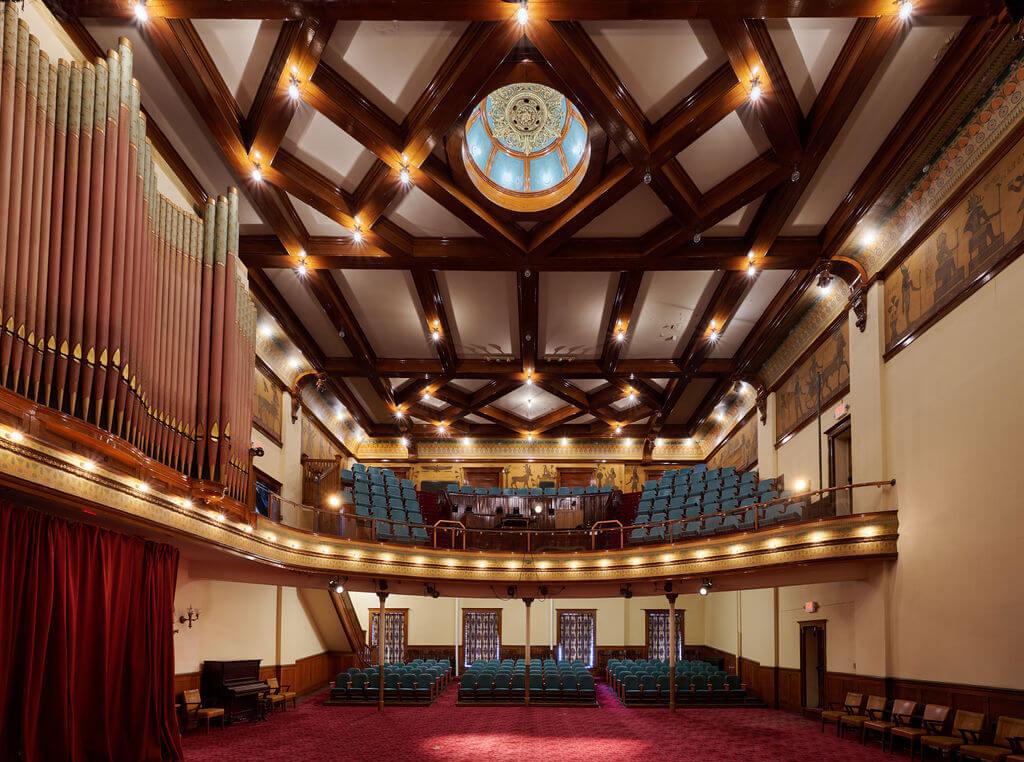
If you believe your property may qualify, researching your home’s history is often the best place to begin. Properties may be eligible based on their architectural style, historical importance, connection to significant people or events, or their contribution to the character of a neighborhood or the city as a whole.
Research Your Property’s History
Learning more about your property can help determine whether it may qualify for local historic designation. Research may include identifying the original owner, architect, builder, construction date, architectural style, or notable historical connections associated with the property.
Helpful resources may include:
- Historic building permits and property records
- Sanborn fire insurance maps
- Historic photographs and city directories
- Census records and newspaper archives
- Previous ownership records and neighborhood histories
Historic Landmark Qualification Criteria
Historic preservation landmarks and districts may only be designated when the property or properties are found to meet one or more of the following criteria:
- It has character, interest, or value as part of the development, heritage, or cultural characteristics of the city, state, or the United States.
- Its location was the site of a significant historical event.
- It is identified with a person or persons who significantly contributed to the culture or development of the city, state, or the United States.
- It embodies distinguishing characteristics of an architectural type or style.
- It is identified as the work of an architect or master builder whose work influenced the development of the city or state.
- It embodies architectural design, detail, materials, or craftsmanship representing significant architectural innovation.
- Its unique location or physical characteristics represent an established and familiar visual feature of a neighborhood, community, or the city.
Why Local Landmark Designation Matters
Historic designation helps preserve the buildings and places that tell Duluth’s story. In addition to recognizing a property’s historical significance, designation can help protect neighborhood character, encourage sensitive restoration work, and promote long-term preservation of important community landmarks.
For more information about Local Landmark Designation, application requirements, or the research process, contact the Duluth Planning and Development Division.
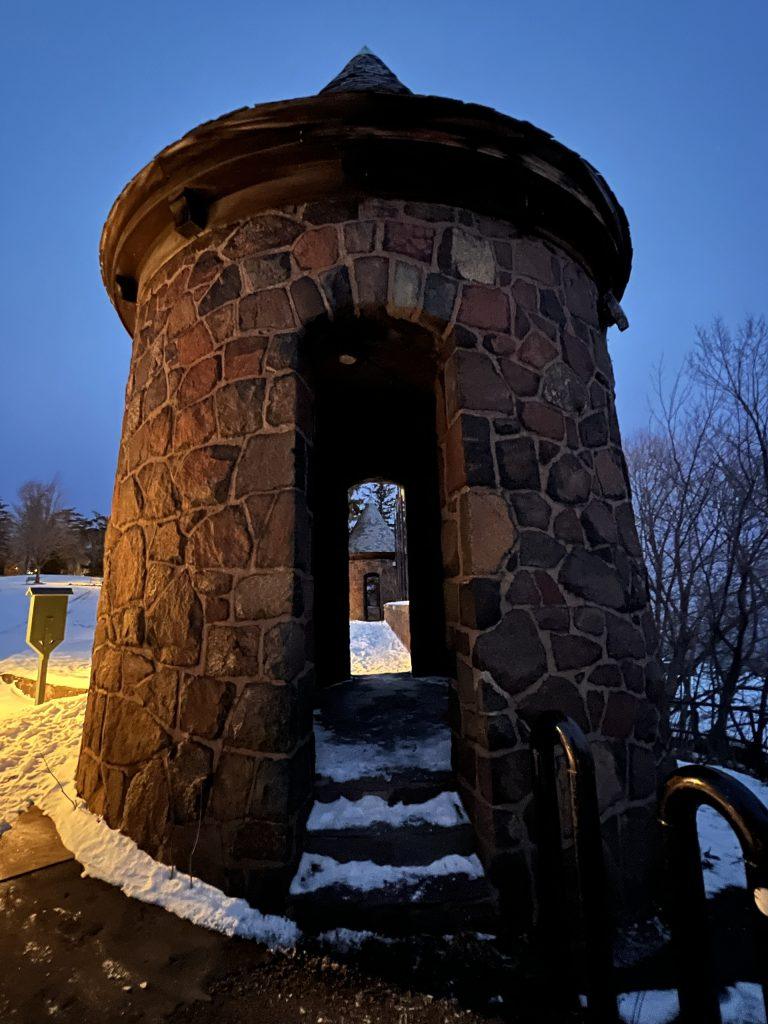
Featured Landmark: Leif Erikson Park Stage (Amphitheater)
Built in 1928, the Leif Erikson Park Amphitheater has long served as one of Duluth’s most recognizable public gathering spaces. Located along the Lake Superior shoreline, the historic stone stage continues to host concerts, performances, and community events while remaining an important part of the city’s cultural and architectural heritage.
The Leif Erikson Stage and Amphitheater was officially designated a Duluth Local Historic Preservation Landmark on February 26, 2018.
Explore Duluth’s Historic Landmarks
From iconic public buildings and schools to churches, homes, parks, and commercial blocks, Duluth has dozens of locally designated historic landmarks and districts that help preserve the city’s architectural and cultural heritage.
View the complete list of Duluth Local Historic Preservation Landmarks and Districts.
