Endangered Places
What We Risk Losing
Each year, the Duluth Preservation Alliance identifies ten buildings, homes, landmarks, and places at risk of demolition or removal. This annual list draws attention to sites facing neglect, development pressure, or uncertain futures—before they disappear.
The goal is simple: shine a light on what’s at stake and start a conversation about what comes next. Could it be repurposed? Is there an opportunity for reinvestment?
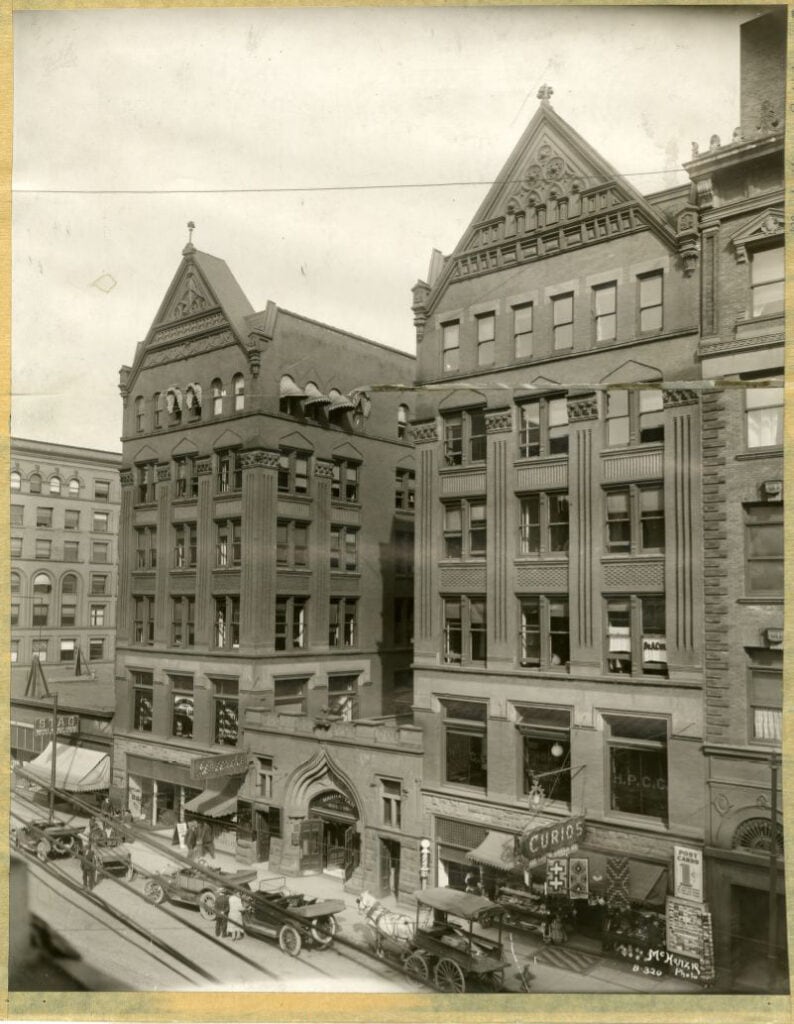
The Manhattan Building stood at 410–416 West Superior Street, part of Duluth’s early commercial core. Built around 1900 and home to shops like the Stag Buffet and Drews, it was demolished around 1941 as downtown evolved—long before historic buildings were widely recognized as assets worth retaining.
Why We Identify Endangered Places
Duluth’s character isn’t guaranteed. Even buildings with protections in place have been lost in recent years, leaving empty lots and gaps in our shared history.
When properties sit vacant, fall into disrepair, or become targets for redevelopment, they become increasingly vulnerable. In some cases, demolition becomes easier than reinvestment—especially when time, cost, and ownership challenges are involved.
More Than a List
The Endangered Places List is not just about what’s at risk—it’s about what’s possible.
Many of these buildings could be restored, repurposed, or brought back into active use. Vacant structures—particularly downtown—represent opportunities to address real community needs, including housing.
By identifying these places early, the list encourages property owners, developers, and the community to consider alternatives before it’s too late.
2025 Endangered Properties List
How Places Are Selected
Each year, a committee researches and evaluates properties across Duluth. Sites may be included if they:
- Face potential demolition
- Have an uncertain future due to vacancy or neglect
- Are under-recognized but historically significant
- Represent broader trends impacting the city
These places often fall into categories such as Impending Demolition, Future Uncertain, or Under-recognized.
What We’re Currently Seeing
The 2025 list reflects several ongoing challenges:
- Vacant buildings that risk demolition by neglect
- Development pressures impacting historic neighborhoods
- Loss of buildings even within designated districts
- Opportunities to reuse existing structures to support housing needs
Since 2020 alone, multiple historic-designated buildings have been lost in Duluth.
The 2025 Endangered Places List
Get Involved
- Know a place that should be on the list?
- Concerned about a property in your neighborhood?
- We welcome input from the community.
Lost Duluth
Explore Duluth’s hidden history with PBS North’s Lost Duluth and Lost Duluth II. From forgotten neighborhoods and mysterious ruins to underground tunnels and wartime shipyards, these documentaries uncover the people, places, and stories that shaped the city we know today.

Buildings Lost Since 2006
Costello Hardware
22 E. Superior St. | Lost 2007
Carter Hotel
17-25 North 2nd Ave. E. | Lost 2019
Carlson Bakery
319 E. Superior St. | Lost 2021
Parker Millinery
323 E. Superior St. – Lost 2021
Dunlap Building
15-17 E. 1st St. – Lost 2022
This 1948 moderne building was a non-contributing structure to the historic district.
Sher Bros. Meats
25 E. 1st St. – Lost 2022
Hobart Manufacturing
31 E. 1st St. – Lost 2022
Hotel Astoria
102 E. Superior St. – Lost 2022
Pastoret Terrace – Lost 2025
Harrold Building – Lost 2025
Lost in 2022
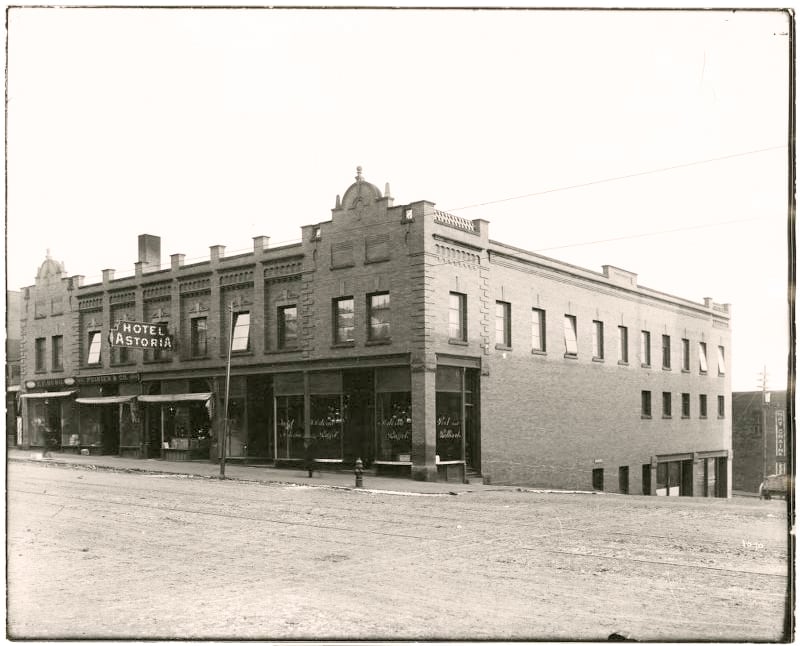
The Astoria Hotel, built in 1906, stood for more than a century at 102 East Superior Street in downtown Duluth. Despite its historic designation and efforts to save it, the building was demolished in 2022 after years of vacancy and disrepair.
Today, the site is an empty lot—a reminder of how quickly historic places can be lost.
Image courtesy of the University of Minnesota Duluth, Kathryn A. Martin Library, University Archives.
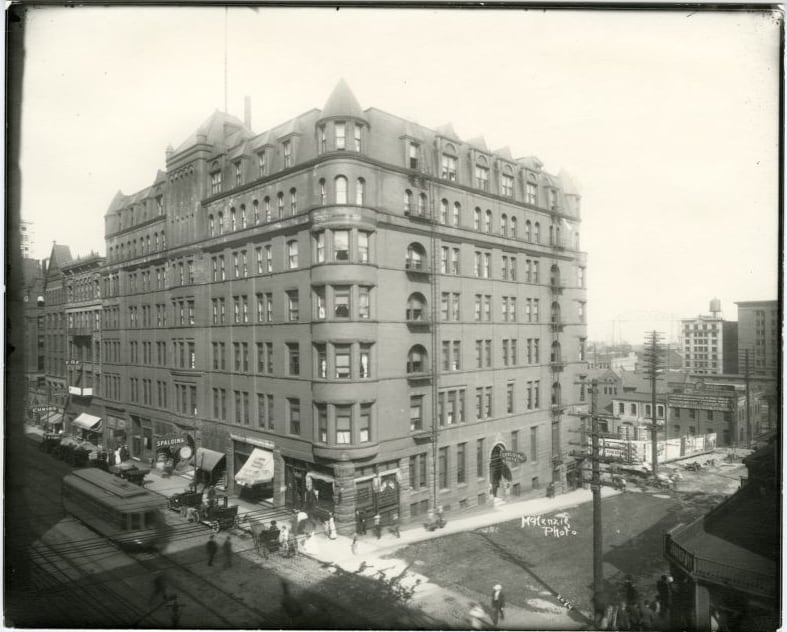
Lost in 1963
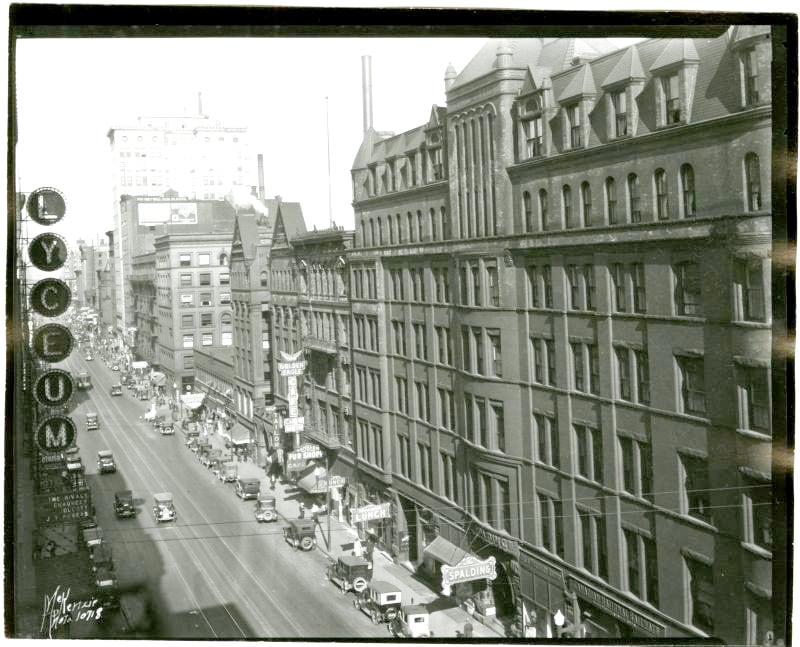
The Spalding Hotel, built in 1889, was once one of Duluth’s premier hotels—a hub for civic life, gatherings, and visitors to the city. By the early 1960s, it was labeled “blighted” and demolished as part of an urban renewal effort.
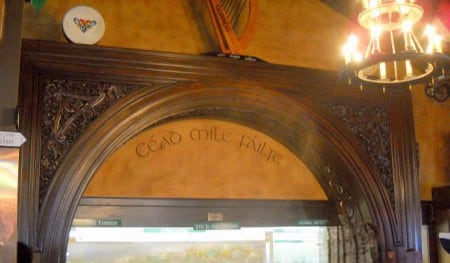
Today, the site is home to the Ordean Building and plaza. While the structure is gone, a few pieces remain—most notably a carved wooden archway from the lobby, now preserved at O’Gara’s Bar and Grill at the Minnesota State Fair.
Its loss reflects a time when progress often came at the expense of historic places—decisions that continue to shape Duluth today.
Image above courtesy of the University of Minnesota Duluth, Kathryn A. Martin Library, University Archives.