What is Preservation?
Understanding Preservation
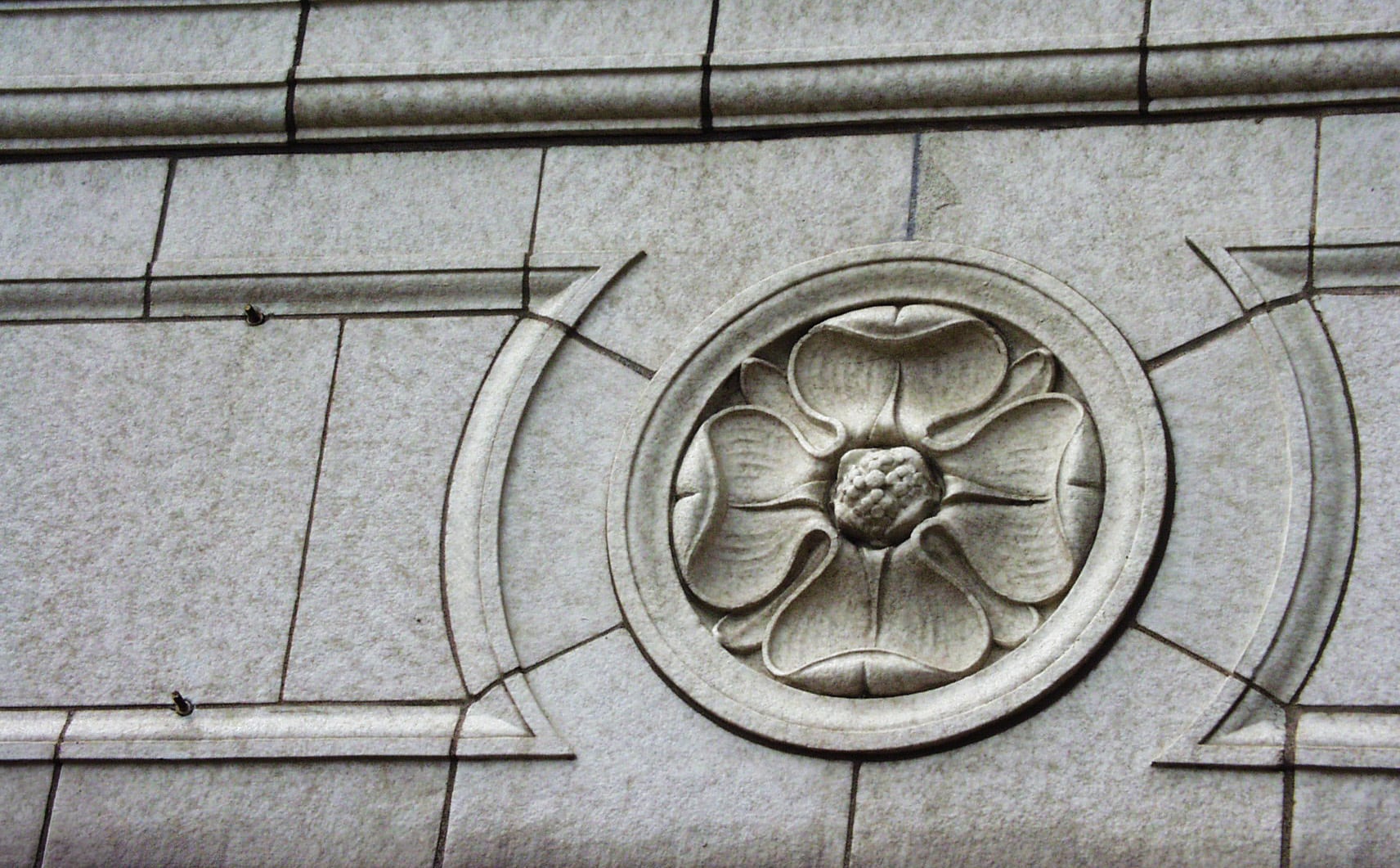
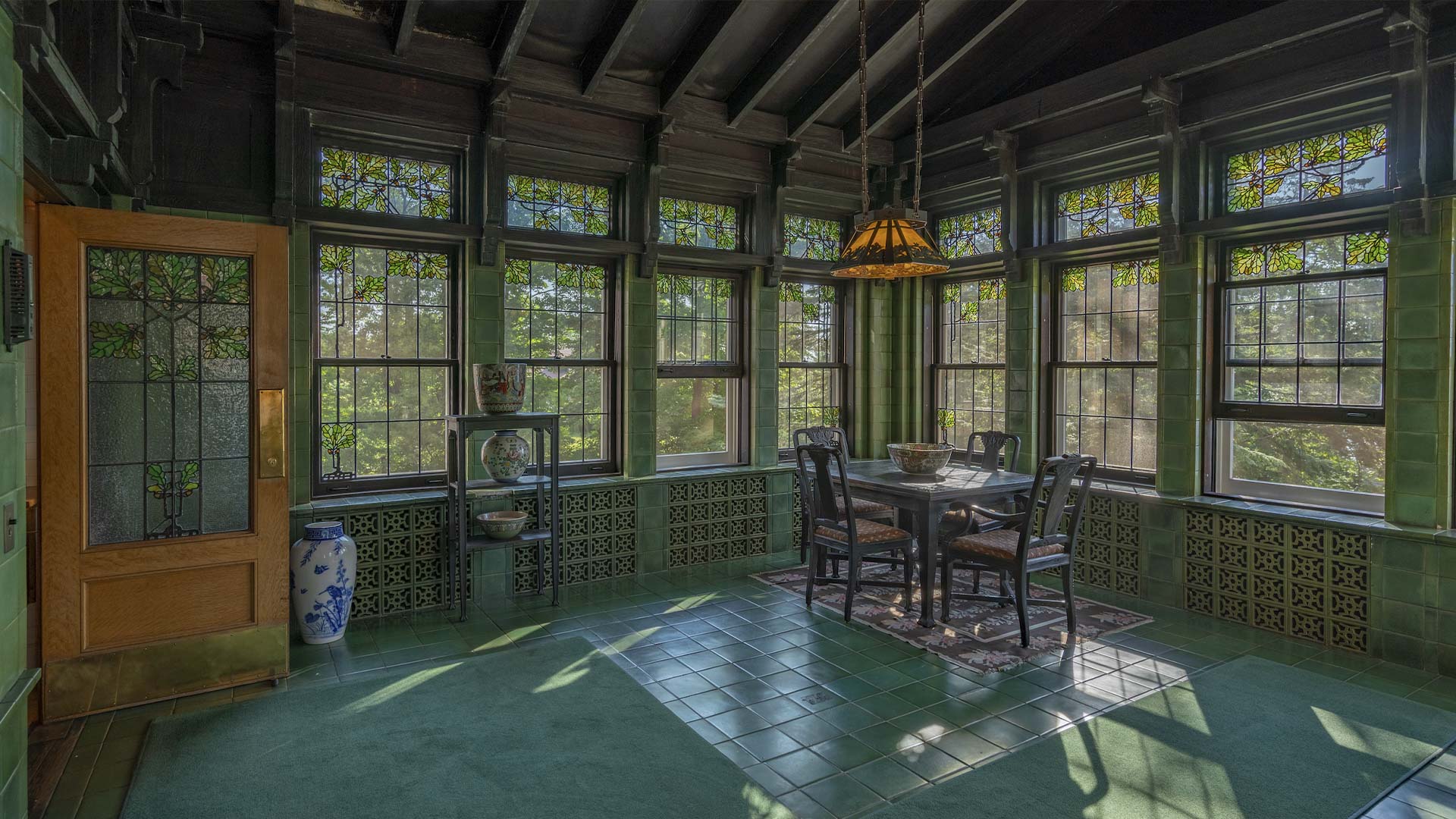
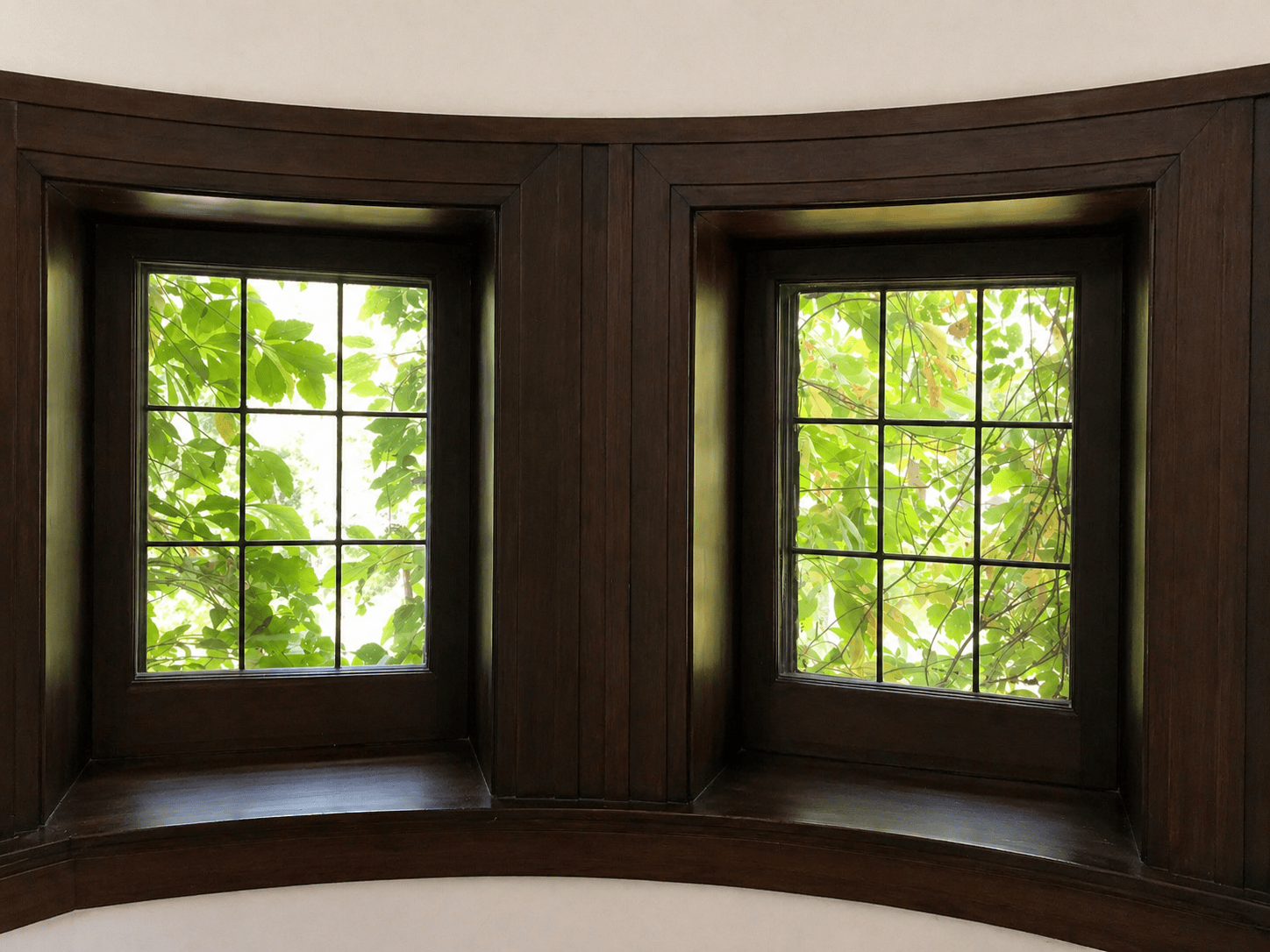
Preservation is the practice of caring for historic buildings and places so they can continue to tell their stories. It involves maintaining their character, protecting original materials, and ensuring they remain part of the community. Many of these structures were built with exceptional craftsmanship and materials—old-growth timber, hand-crafted details, and early glasswork—that are difficult to replicate today.
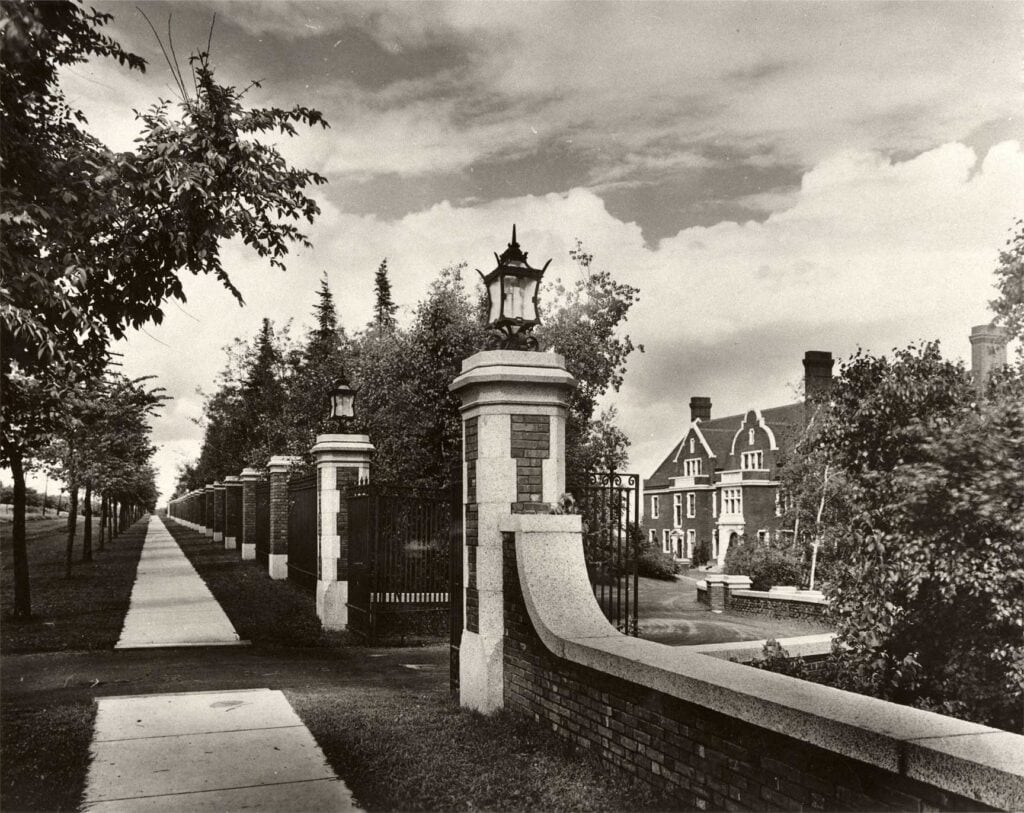
There is no single approach—each building requires thoughtful decisions based on its history, condition, and future use. Preservation is not about freezing a place in time, but about responsible stewardship that allows communities to evolve while retaining their unique identity and sense of place.
Across the country, preservation is recognized as an important part of building strong, vibrant communities. In Duluth, it plays a critical role. Our historic homes, commercial buildings, and neighborhoods reflect the people, industries, and stories that have shaped the city, making preservation essential to maintaining what makes Duluth unique.
Preservation vs. Restoration vs. Adaptive Reuse
These terms are often used interchangeably, but they mean different things. Understanding the difference helps guide thoughtful decisions about historic buildings.
Preservation
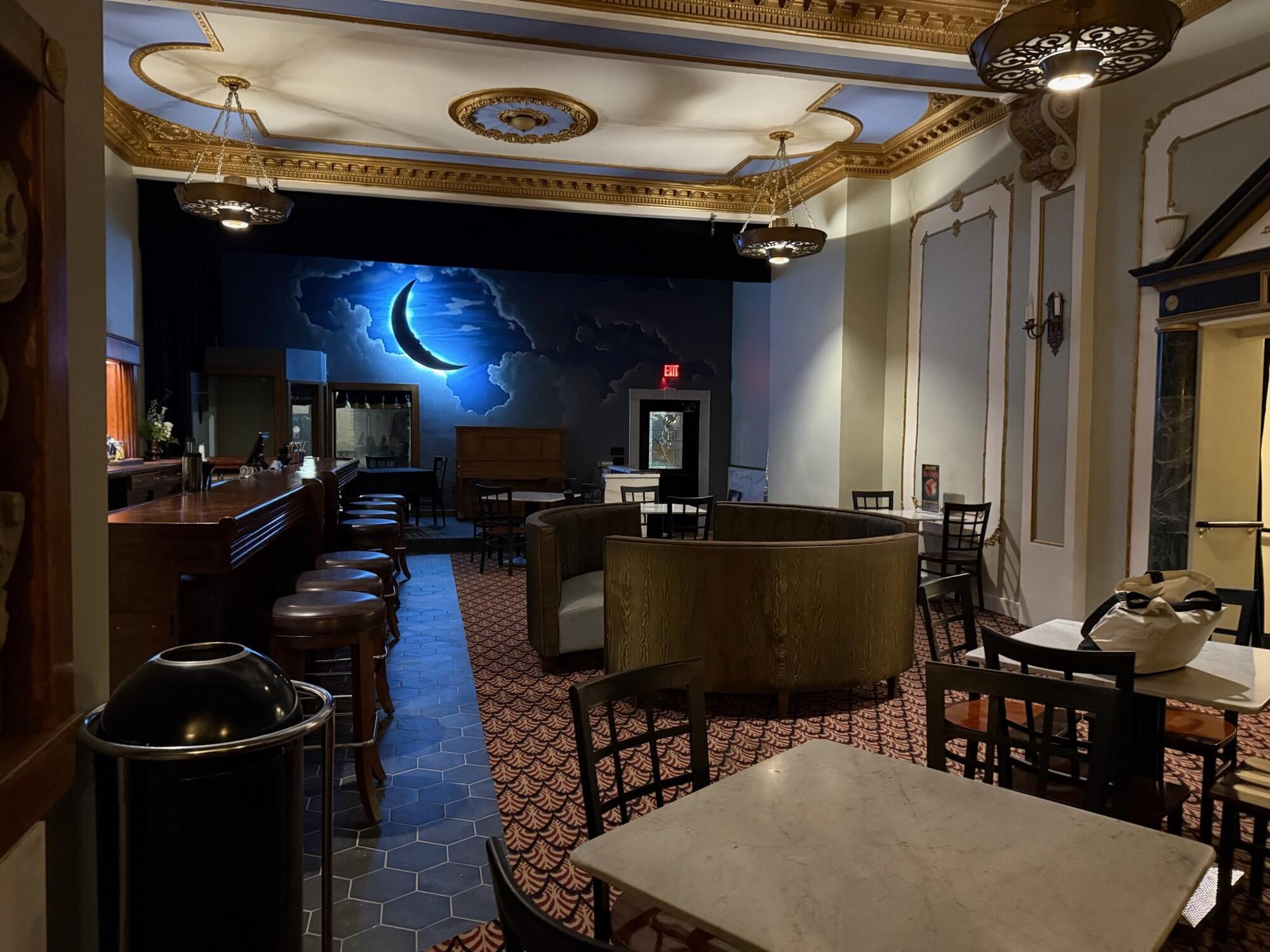
Preservation focuses on maintaining a building as it currently exists. It involves protecting its original materials, structure, and character while making only necessary repairs. The goal is to sustain what is already there, keeping as much historic fabric intact as possible.
Restoration
Restoration returns a building to a specific moment in its history. This may involve removing later additions or reconstructing missing features to match an earlier period. The goal is to accurately represent how a building looked at a particular time.
Adaptive Reuse
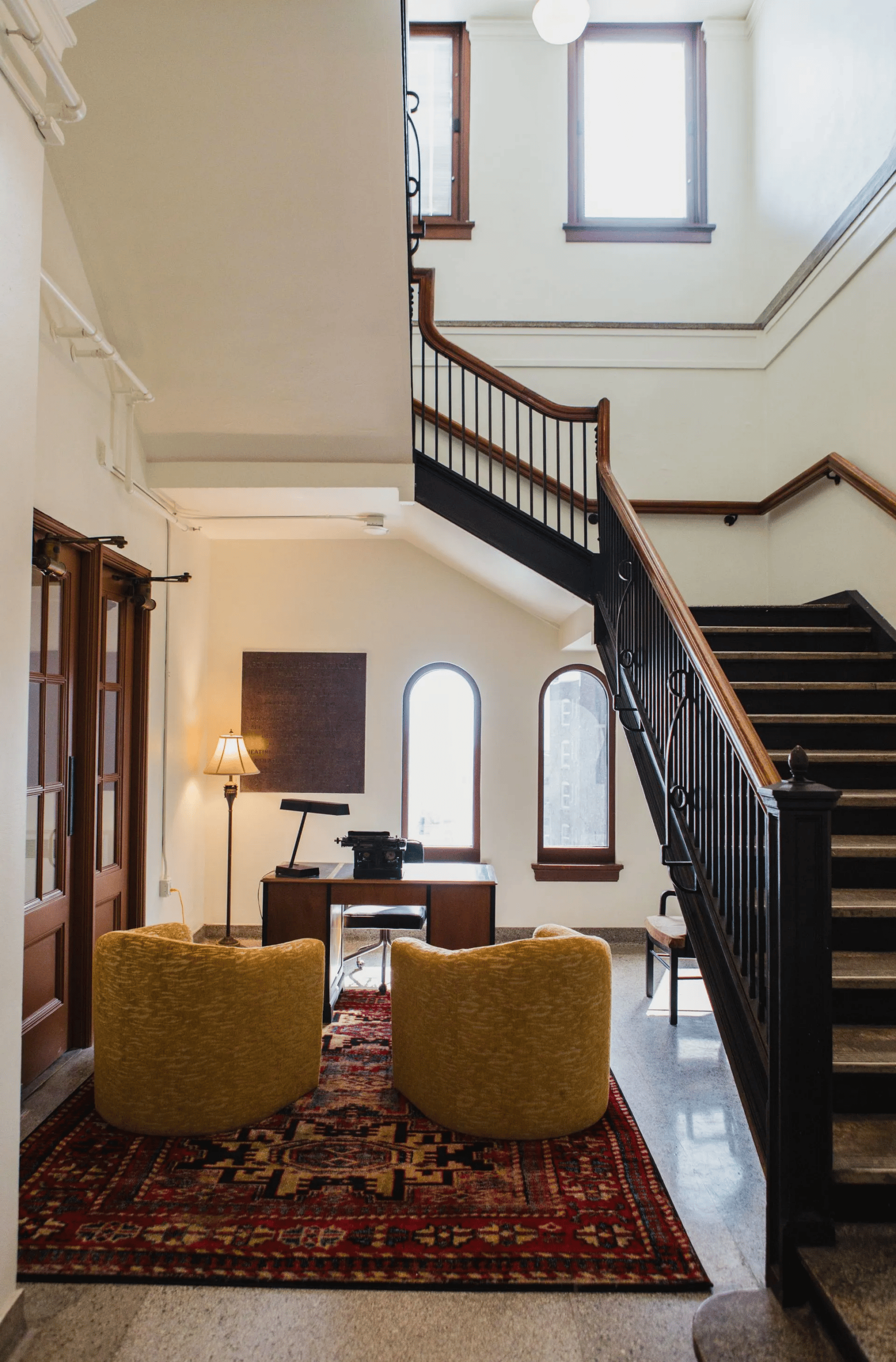
Repurposing—often called adaptive reuse—gives a historic building a new life through a new use. Examples include converting schools into apartments or warehouses into offices. The goal is to retain historic character while making the building functional for today. This approach is both sustainable and practical, allowing historic structures to remain active parts of the community.
Why Preservation Matters
Preservation does more than save old buildings—it strengthens communities in meaningful ways:
- Protects identity and sense of place
Historic buildings give Duluth its distinctive character and make it unlike anywhere else. - Preserves quality craftsmanship and materials
Many historic buildings were constructed with old-growth timber, hand-crafted details, and materials that are difficult to replicate today, making their preservation especially valuable. - Connects past and present
Preservation helps tell the stories of earlier generations and keeps those stories alive. - Builds community pride
When people care for historic places, they invest in the long-term vitality of their neighborhoods. - Strengthens local economies
Communities that value their historic character attract visitors and new residents, support small businesses, and contribute to increased property values. - Supports sustainability
Reusing existing buildings conserves materials, energy, and resources—often making preservation one of the most environmentally responsible choices.
Preservation in Practice
Preservation is not one-size-fits-all. Every building and site requires thoughtful consideration of its history, condition, and future use. The National Park Service identifies several approaches—including preservation, rehabilitation, restoration, and reconstruction—each used depending on the goals of a project.
Successful preservation balances:
- Respect for historic materials and design
- Practical needs for modern use
- Long-term sustainability
In Duluth, this might look like restoring original woodwork in a historic home, maintaining the character of a neighborhood, or transforming a former commercial building into housing while preserving its architectural features.
The DPA’s Role
The Duluth Preservation Alliance works to support preservation through education, advocacy, grants and community engagement. We believe that historic places are worth protecting—not just for their beauty, but for what they represent.
Preservation is about more than buildings. It’s about people, stories, and the shared history that shapes our city. By caring for these places, we ensure that Duluth’s character endures—and continues to inspire generations to come.
What is Preservation?
Preservation: Maintaining a building’s existing form, materials, and character.
Restoration: Returning a building to a specific period in its history.
Adaptive Reuse: Repurposing a historic building for a new use while preserving its defining features.
Get Involved – Join a Committee
Take part in hands-on preservation work by joining a DPA committee. From events and outreach to advocacy and fundraising, there are many ways to contribute your time and expertise.
Email the DPA to learn more.
