East End Walking Tour
Explore Duluth’s Grand Homes and Millionaire-era Stories
During Duluth’s late nineteenth and early twentieth century boom, the city grew rapidly as an industrial and shipping hub, generating significant wealth. As downtown became crowded with rail yards, smoke, and coal dust, many affluent families moved uphill and east for cleaner air, quieter streets, and sweeping views of Lake Superior.
About The East End
Streetcars, Style, and the Rise of a Hillside Neighborhood
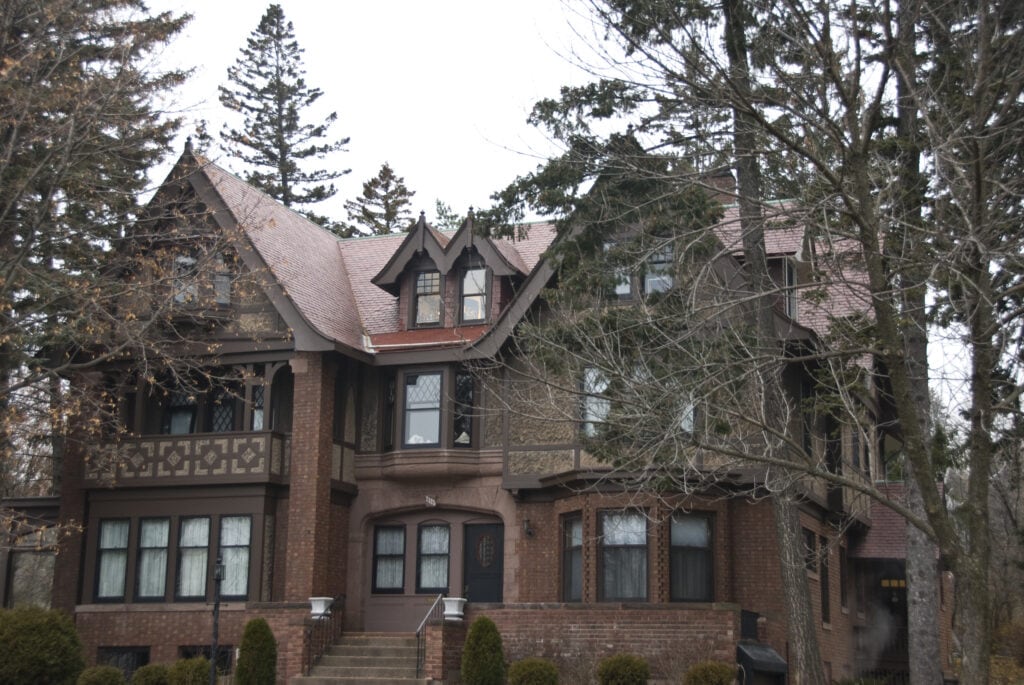
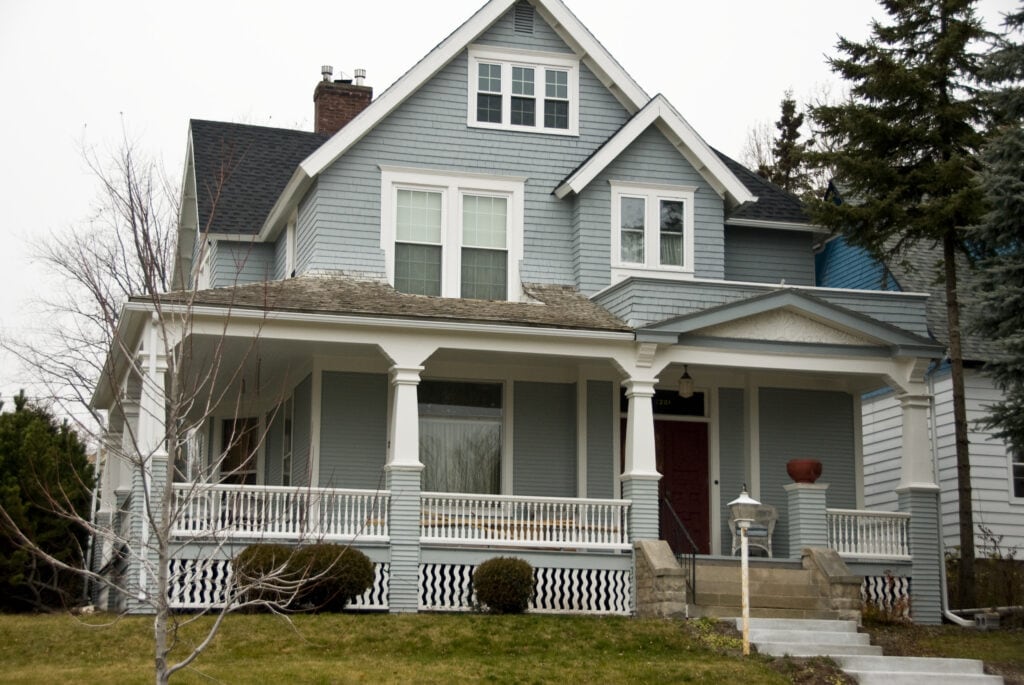
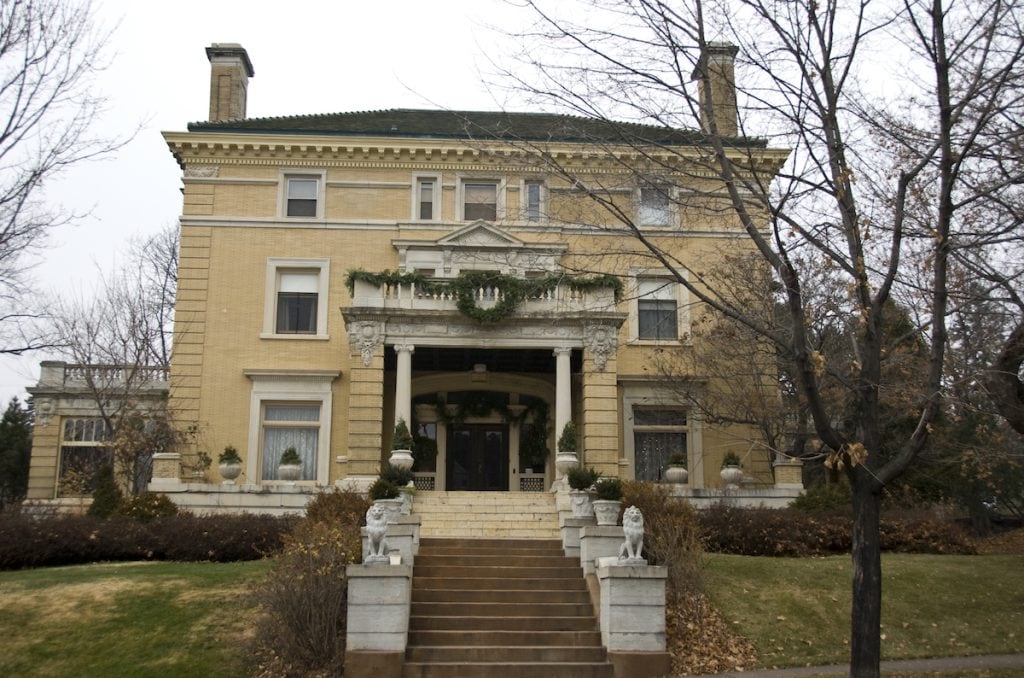
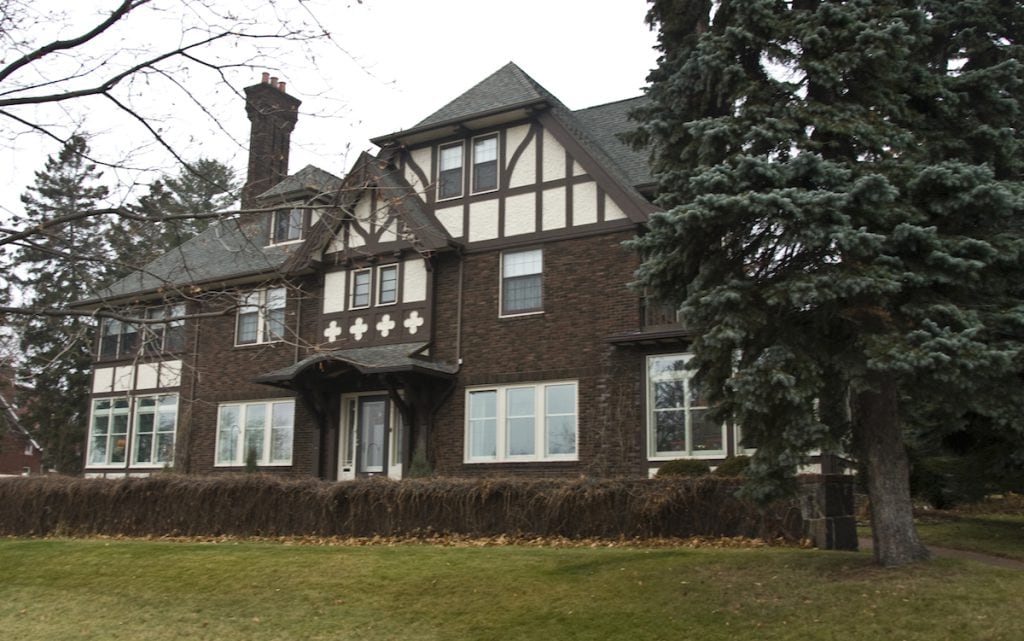
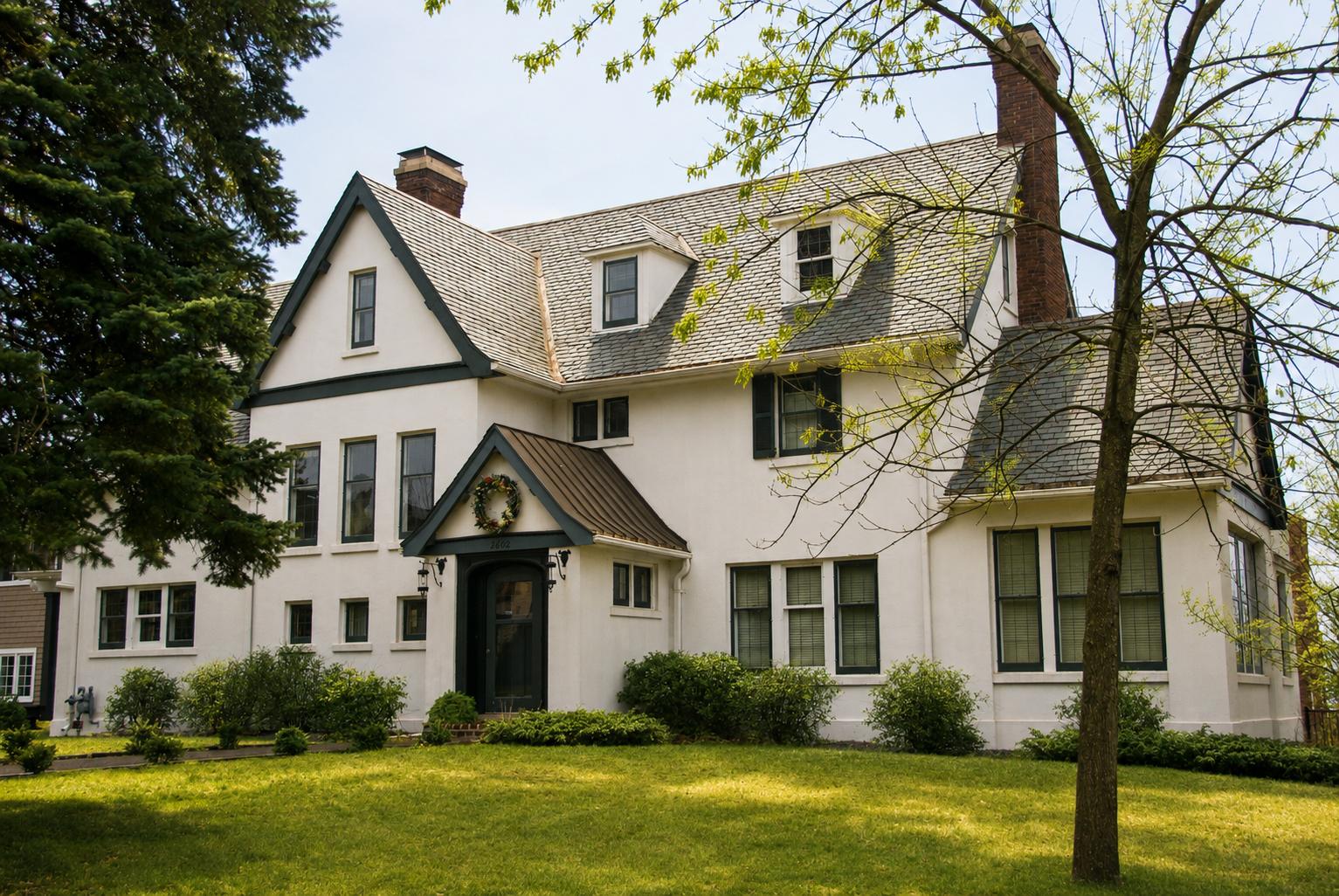
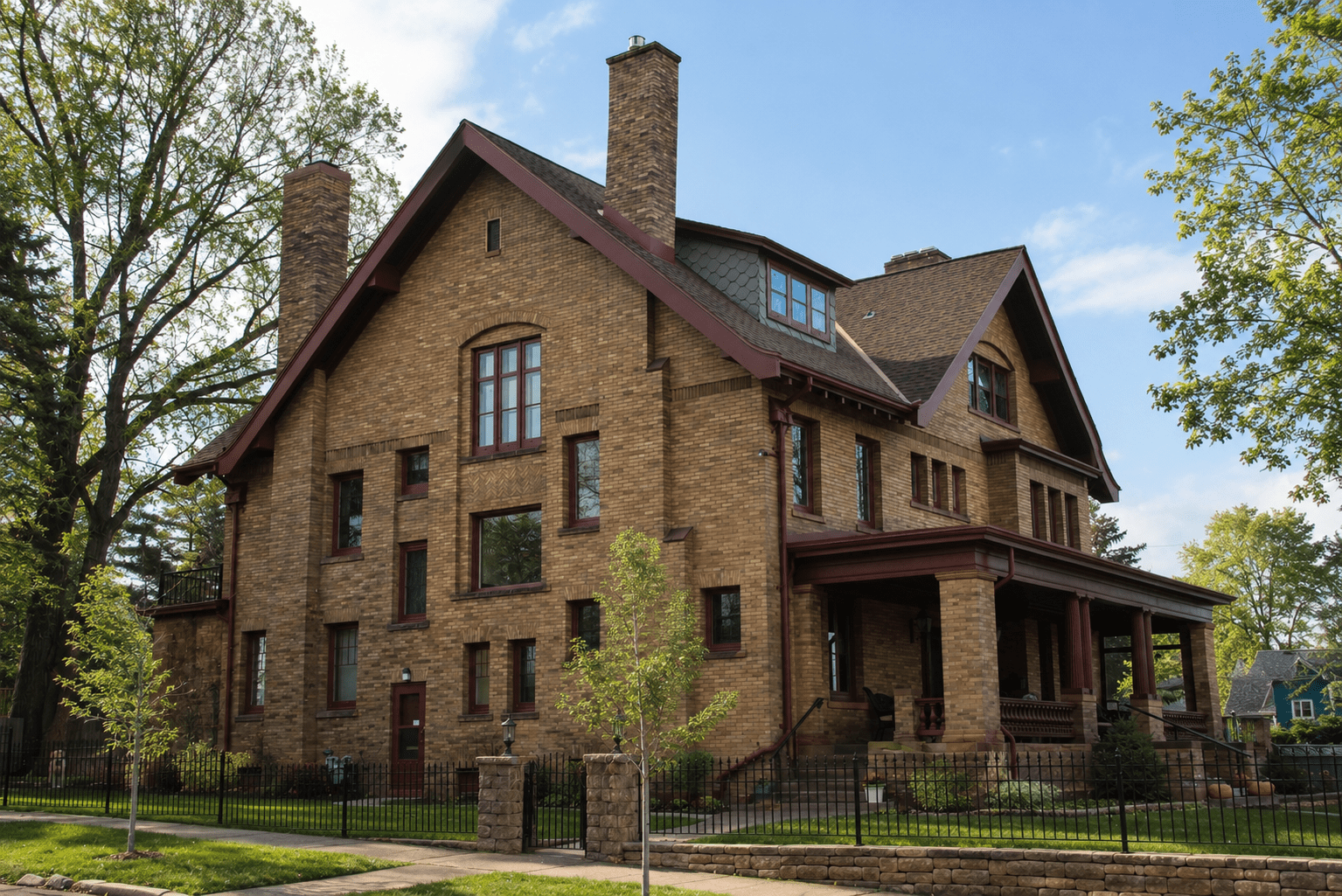
The development of Duluth’s streetcar system helped fuel this growth, connecting the East End and Congdon neighborhoods to downtown while transforming the area into one of the city’s premier residential districts. Grand homes soon lined the hillside, designed by some of Duluth’s most prominent architects in styles ranging from Tudor Revival and Colonial Revival to Prairie School, Craftsman, and Georgian architecture.
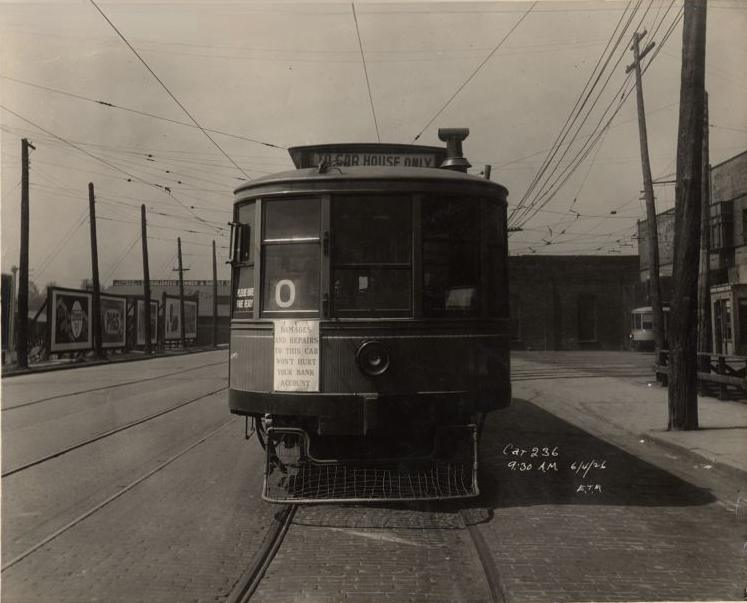
The development of Duluth’s streetcar system helped fuel this growth, connecting the East End and Congdon neighborhoods to downtown while transforming the area into one of the city’s premier residential districts. Grand homes soon lined the hillside, designed by some of Duluth’s most prominent architects in styles ranging from Tudor Revival and Colonial Revival to Prairie School, Craftsman, and Georgian architecture.
Future guided tour dates will be announced as they become available.