

Duluth’s Best Housing Opportunity May Be in the Historic Neighborhoods We Already Have
What We Need Now Is Reinvestment
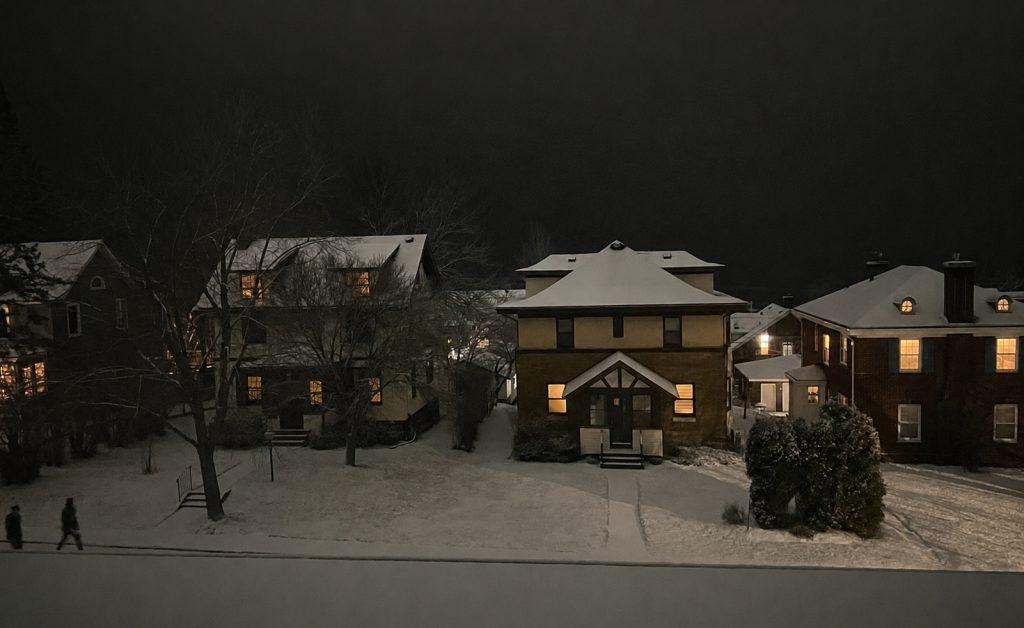
When people talk about Duluth’s future and growth, they often focus on new development. But some of the city’s greatest housing opportunities already exist in neighborhoods like East Hillside, Central Hillside, Endion, Chester Park, Woodland, and Hunters Park.
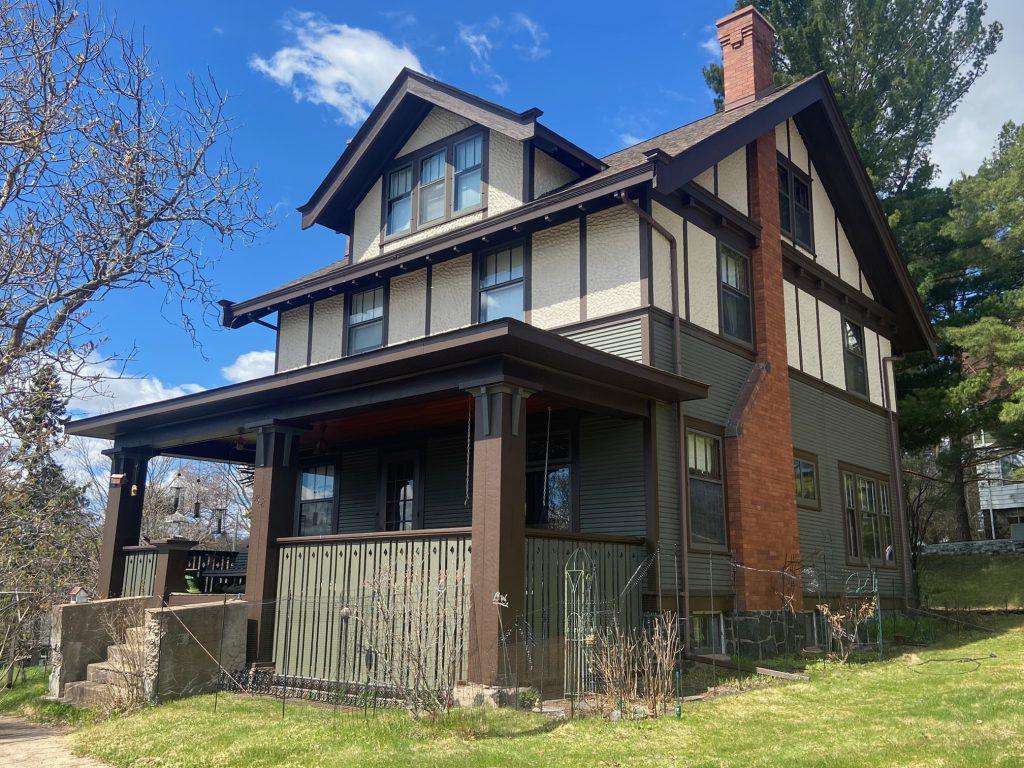
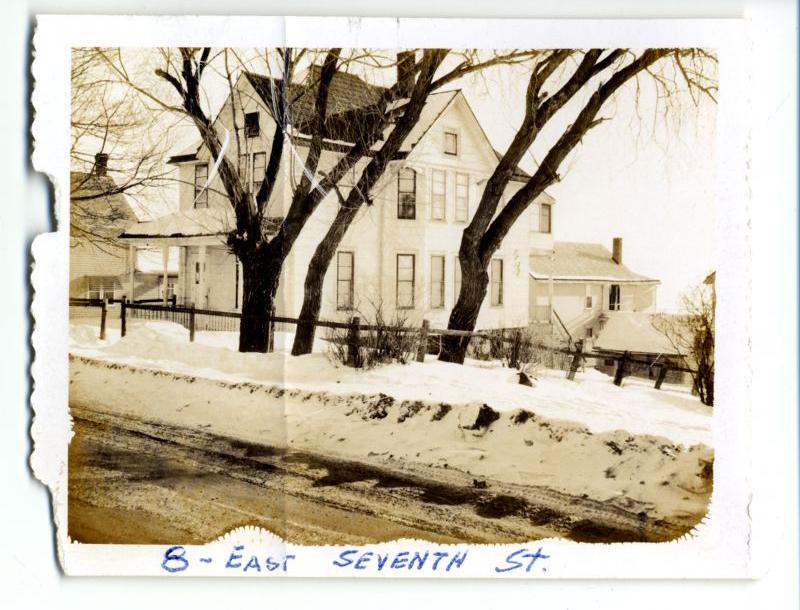
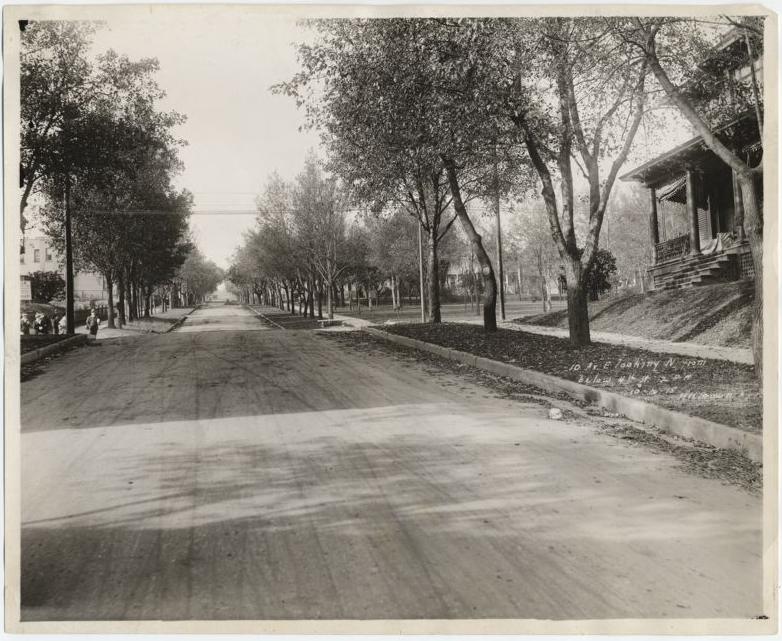
Many of the homes in these neighborhoods were built in the early 1900s, which makes them historic, durable, and filled with character that would be nearly impossible to replicate today. They were designed to last for generations and connected closely to schools, parks, churches, neighborhood businesses, and downtown itself.
They still offer something incredibly perfect. Within minutes, residents can walk to parks and trails, waterfalls, coffee shops, restaurants, universities, libraries, and even Lake Superior and the Duluth Lakewalk. These neighborhoods are directly connected to downtown and the waterfront, and many of the homes have prime lake views that would be unaffordable in most parts of the country. Yet for decades, these neighborhoods were under appreciated, and many forgot just how special they truly are.
Shifting the Balance
In the mid-1990s, just after I purchased my 1911 home on East 5th Street, many of the houses around me began flipping into student rentals. Homes that once held families became temporary housing for groups of students. Entire blocks began to change. Parking became difficult. Noise increased. Families moved away, often to newer developments outside the city. I’m not going to sugarcoat it, the blight was real and painful.
For those of us who stayed, every “For Sale” sign brought uncertainty about what the neighborhood would become next. Yet we continued to love and preserve our historic homes, oftentimes being the nicest house on the street, or sometimes, the only single-family home on the entire block.
To be clear, the campuses and students are tremendous assets to Duluth. UMD and St. Scholastica contribute enormously to Duluth’s economy, culture, and identity, and more than ever, students are choosing to stay in Duluth, something that was mostly unheard of twenty years ago.
But a healthy and appealing “college town” needs balanced neighborhoods filled with professors, students, families, and long-term residents, but for almost two decades, Duluth’s most beautiful single-family neighborhoods lost their balance.
A New Opportunity Is Emerging
As college enrollment shifts nationally and student housing demand evolves, many of these homes are quietly transitioning back to owner occupancy. Houses that served as rentals for years are once again becoming single-family homes.
I’ve witnessed this transformation firsthand. Where ten years ago I was surrounded by student rentals, today only one college rental remains, and this shift may represent one of the biggest housing opportunities Duluth has had in decades.
People Seek Out These Neighborhoods
Very few cities our size can offer this combination of historic architecture, natural beauty, views, walkability, and proximity to major employers and institutions, all at a level that remains attainable for many homebuyers.
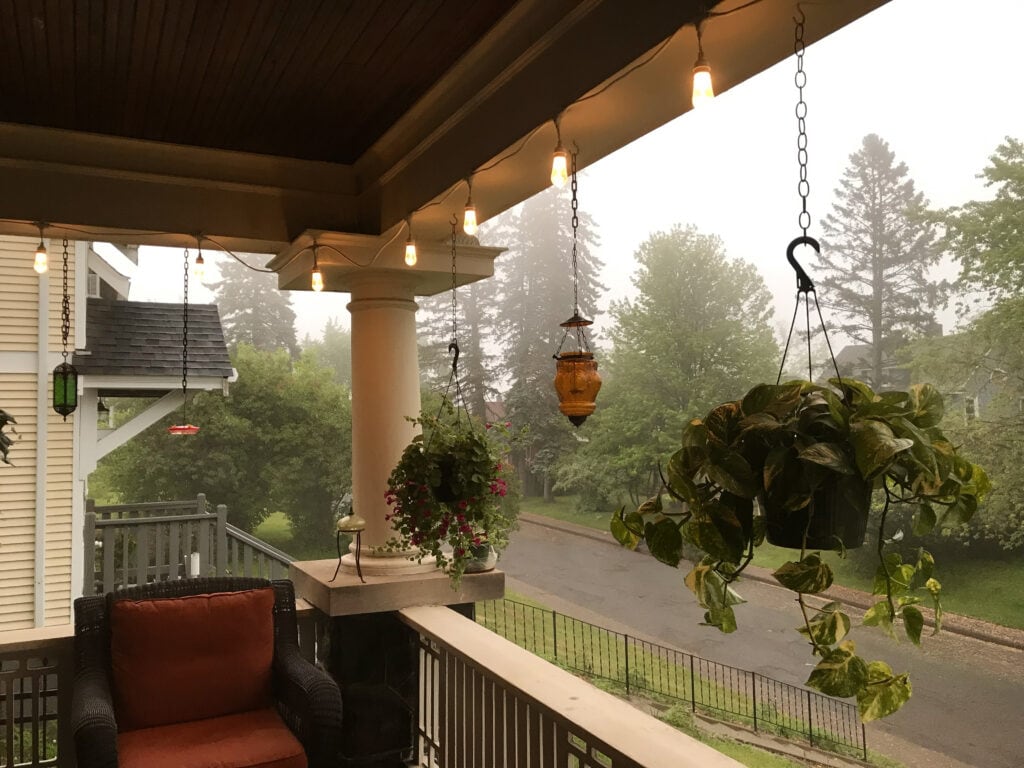
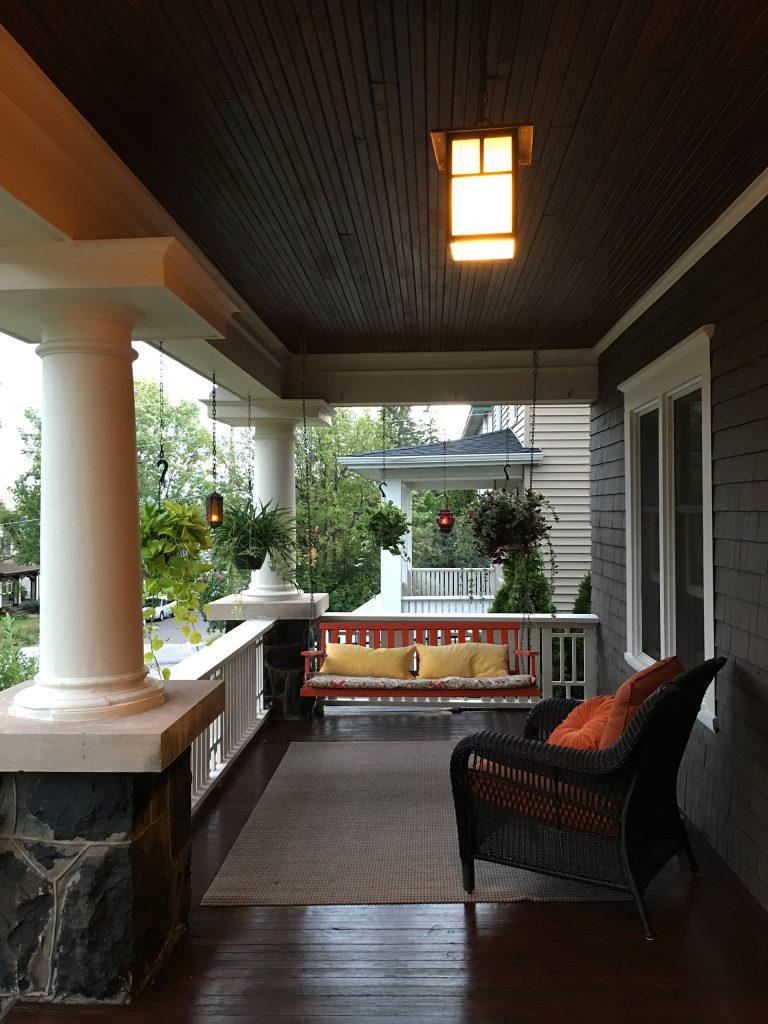
People want to live in these neighborhoods. They seek historic homes with character. They want access to nature, shorter commutes, good schools, coffee shops, restaurants, parks, and access to mass transportation. They want neighborhoods with a strong sense of place and connection.
No Need to Build from Scratch
The housing stock already exists. The infrastructure already exists. The character already exists. And the views certainly exist.
What we need now is reinvestment from city and community leaders to help our mid-income residences transition from renting to homeownership, while also recognizing that Duluth is increasingly attracting people from other parts of the country who are seeking a climate refuge—a place without water shortages or months of sweltering heat.
Duluth has been working hard to secure more housing, mostly in new development. But many of those places are multiplexes and apartments. Rediscovering the neighborhoods that have quietly carried the city’s identity for more than a century should not be overlooked.
Creating Incentives for Neighborhood Reinvestment
I am not a city planner, nor do I understand real estate tax laws, but I do know that home values are rising. Landlords would be wise to consider selling now, and hopefully to single families rather than investors. With the right incentives and/or policy changes, single families could once again populate the hillsides.
For landlords, the city could offer tax incentives for selling homes back to owner-occupants. For new buyers, the city could help through renovation grants, historic preservation support, homeownership programs, and other investments that encourage long-term ownership in existing neighborhoods.
It’s Being Done Elsewhere
Other communities have already experimented with ways to stabilize and reinvest in older neighborhoods. In Sugar Land, Texas, the city created a Great Homes Update Program that reimburses homeowners for exterior improvements to older homes, resulting in millions of dollars in neighborhood reinvestment and hundreds of renovated properties.
Cities like Tacoma, Washington, have also used historic preservation incentives, low-interest rehabilitation loans, and temporary property tax reductions to encourage owners to restore older homes and reinvest in historic neighborhoods. (link)
Duluth does not need to copy any one model, but we should be asking what tools could help more of these homes transition back to long-term owner occupancy.
Intentional Planning
We simply can’t let the open market “do its thing” anymore. That is exactly what happened when student rentals flowed into these neighborhoods with little intentionality or long-term planning. The city has to be proactive, think intentionally about the kind of neighborhoods we want to create, and help make those outcomes possible.
These decisions shape far more than housing alone. They shape our quality of life, economic development, neighborhood stability, and ultimately population growth. More and more, people are not choosing Duluth solely because of a job opportunity. Many are moving here because they work remotely and see Duluth as a desirable place to build a life.
If Duluth wants to grow thoughtfully and sustainably, we do not need to start from scratch. Some of our greatest opportunities are already here, in the historic neighborhoods that have quietly shaped the city for generations. Reinvesting in them is not just about preserving old homes; it is about strengthening community, encouraging homeownership, and building a Duluth where more people can imagine putting down roots for the long term.
